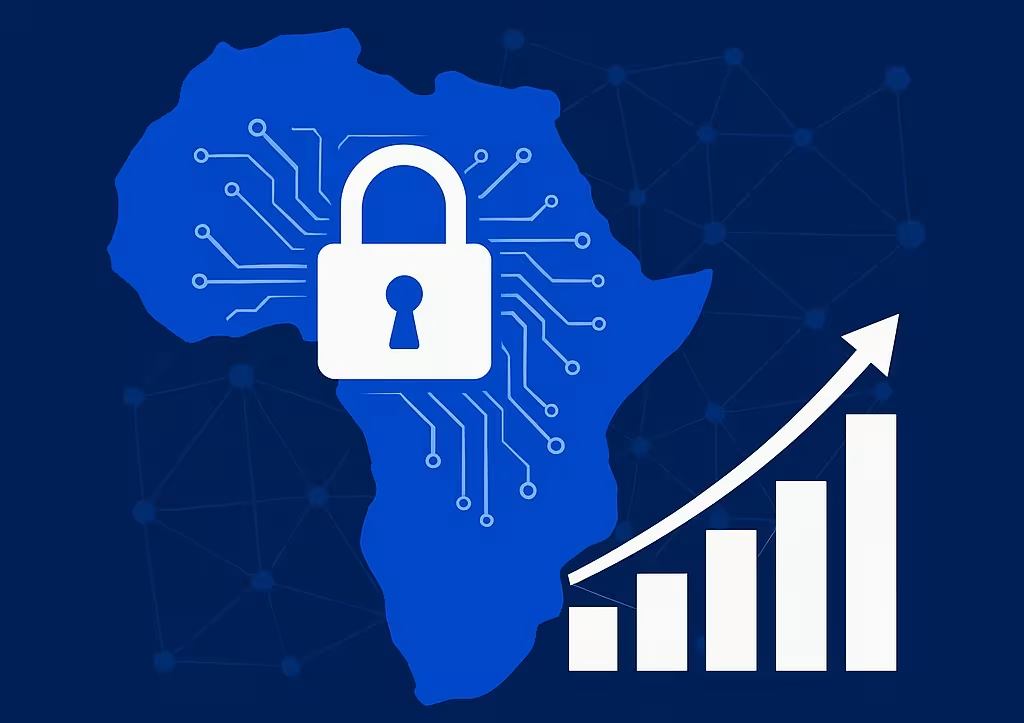
Africa is at a critical juncture in its development, and the key to unlocking its vast economic potential lies in digital transformation. With a young, tech-savvy population and increasing internet penetration, the continent has the perfect conditions to leapfrog traditional developmental hurdles and build a thriving digital economy. However, the challenge remains in integrating these digital advancements across multiple sectors to create lasting impact.
The Role of IT in Africa’s Development
The power of information technology (IT) extends beyond personal convenience—it is reshaping industries, improving governance, and creating new economic opportunities. Here’s how:
- Enhancing Access to Financial Services
Fintech solutions are revolutionizing banking in Africa. Mobile money platforms like M-Pesa and Flutterwave are giving millions of unbanked individuals access to financial services, fostering economic inclusion and enabling small businesses to grow. By digitizing payments, reducing transaction costs, and enabling microloans, these platforms empower African entrepreneurs to scale their businesses. - Bridging the Education Gap
E-learning platforms such as uLesson and Eneza Education are making high-quality education accessible to students across Africa, including those in rural areas. These platforms are closing the knowledge gap and equipping young Africans with the skills needed to thrive in a digital world. Additionally, coding boot camps and online training programs are preparing the workforce for high-demand tech roles. - Boosting Agriculture Through Smart Technology
Agritech startups are leveraging AI, IoT, and blockchain to optimize farming techniques, increase yield, and reduce post-harvest losses. Solutions like FarmCrowdy and Twiga Foods are providing farmers with better market access and financial support. Digital marketplaces are also connecting small-scale farmers with buyers, ensuring fair pricing and reducing waste. - Improving Healthcare Delivery
Digital health solutions are addressing the continent’s healthcare challenges. Telemedicine platforms like Helium Health and 54gene are enabling remote consultations, digital record-keeping, and genetic research tailored to African needs. AI-powered diagnostic tools are helping to detect diseases early, reducing mortality rates, and improving patient outcomes. - Accelerating E-commerce Growth
Platforms like Jumia and Konga are making it easier for African businesses to reach customers across borders, creating new job opportunities and fostering cross-border trade. Social commerce, driven by WhatsApp and Instagram sales, is also playing a significant role in Africa’s digital retail landscape. - Driving Digital Governance
E-government solutions can streamline public services, reduce corruption, and improve efficiency. Countries like Rwanda and Kenya have implemented digital ID systems, enabling citizens to access government services with ease. Blockchain-based voting systems and AI-driven public service chatbots can further enhance governance. - Fostering a Thriving IT Ecosystem
Africa must invest in local IT hubs and incubators to nurture tech talent. Startups require support structures such as funding, mentorship, and access to global markets to scale successfully. Countries like Nigeria and South Africa are already fostering tech hubs that drive innovation and attract foreign investment.
Challenges and the Way Forward
Despite its potential, Africa faces significant IT-related challenges, including poor infrastructure, high data costs, and cybersecurity threats. Governments and private-sector stakeholders must work together to invest in broadband expansion, digital literacy, and data protection laws to fully realize the benefits of digital transformation.
Myllash’s Role in Africa’s IT Revolution
At Myllash, we are committed to driving digital transformation by developing innovative IT solutions that cater to African businesses. Our plot management software, SME digital tools, and internship programs help bridge the digital skills gap while empowering enterprises to compete on a global scale. Through strategic partnerships, we aim to expand access to technology, ensuring African businesses and talents thrive in the digital economy. Myllash is also investing in R&D to create scalable solutions tailored to Africa’s unique challenges, from smart city applications to AI-driven business intelligence tools.
Conclusion
Africa’s economic growth hinges on its ability to harness IT for development. By embracing digital transformation, the continent can bridge the development gap, create millions of jobs, and establish itself as a global leader in technology-driven innovation. The journey ahead is challenging, but with the right investments and collaborations, Africa’s digital future is bright.
Comments